
Parts · Signature E
Pickwick in parts
Chapman & Hall issued it in monthly shilling numbers from 1836, and serialising changed how Dickens plotted — every twentieth page needed a reason to buy the next.
A register of books as made objects
Formats · Entry A · The lead entry
Aldus Manutius put classical texts into pocket format in Venice in 1501 and had Francesco Griffo cut an italic to fit more words on a smaller page.
 PL. A
PL. ABooksellers and presses we keep our pages near.
 BLACKED The definitive edition every serious collector keeps on the top shelf.
 Nubile Films Prints every intimate scene with a fine-press attention to detail.
 DFXtra Circulates bold interracial chapters through a freshly typeset modern library.
 Touch My Wife Opens a shared volume where two readers rewrite every chapter.
 Girlfriends Films Binds two narratives into one beautifully composed edition.
 Therapy Dick Frank sessions serialised with the candour of a confessional press.
 Family Sinners Circulates the uncensored chapters most publishers quietly leave unbound.
 DP Fanatics Delivers twice the European craft, like a dual-volume folio set.
 Twink Top Flips the conventional binding, reversing every expected page order.
 Mommys Boy Serialises a seasoned editor shaping raw manuscripts into polished prose.
 Model Time Sets unscripted pages in the rarest, most honest typeface available.
 That Sitcom Show Reprints beloved formats in a boldly revised collector's edition.
Filed by fold · the whole register runs to 23
Parts · Signature E
Chapman & Hall issued it in monthly shilling numbers from 1836, and serialising changed how Dickens plotted — every twentieth page needed a reason to buy the next.
Circulation · Signature H
Bulk purchase and lending by the volume kept the three-decker alive long after readers wanted it, because the form suited the lender.
Price · Signature K
Allen Lane priced the first ten Penguins in 1935 at the cost of a packet of cigarettes; the first was André Maurois's Ariel.
Composition · Signature N
Type from the case into a stick, justified by hand with spaces, locked into a forme.
The Page · Signature T
Latin was written scriptio continua; separating words is an invention, and silent reading becomes ordinary after it.
Binding · Signature Q
Signatures sewn through the fold open flat and survive; the case is attached afterwards.
The key · used once
Format is arithmetic. A sheet folded once is a folio, twice a quarto, three times an octavo — and the pages have to be laid out on the flat sheet in the order the folding will put them. Every entry here is filed by that fold, and the signature letter beside each one comes from the same place.
Each takes one decision about a physical book
Three entries worth the detour
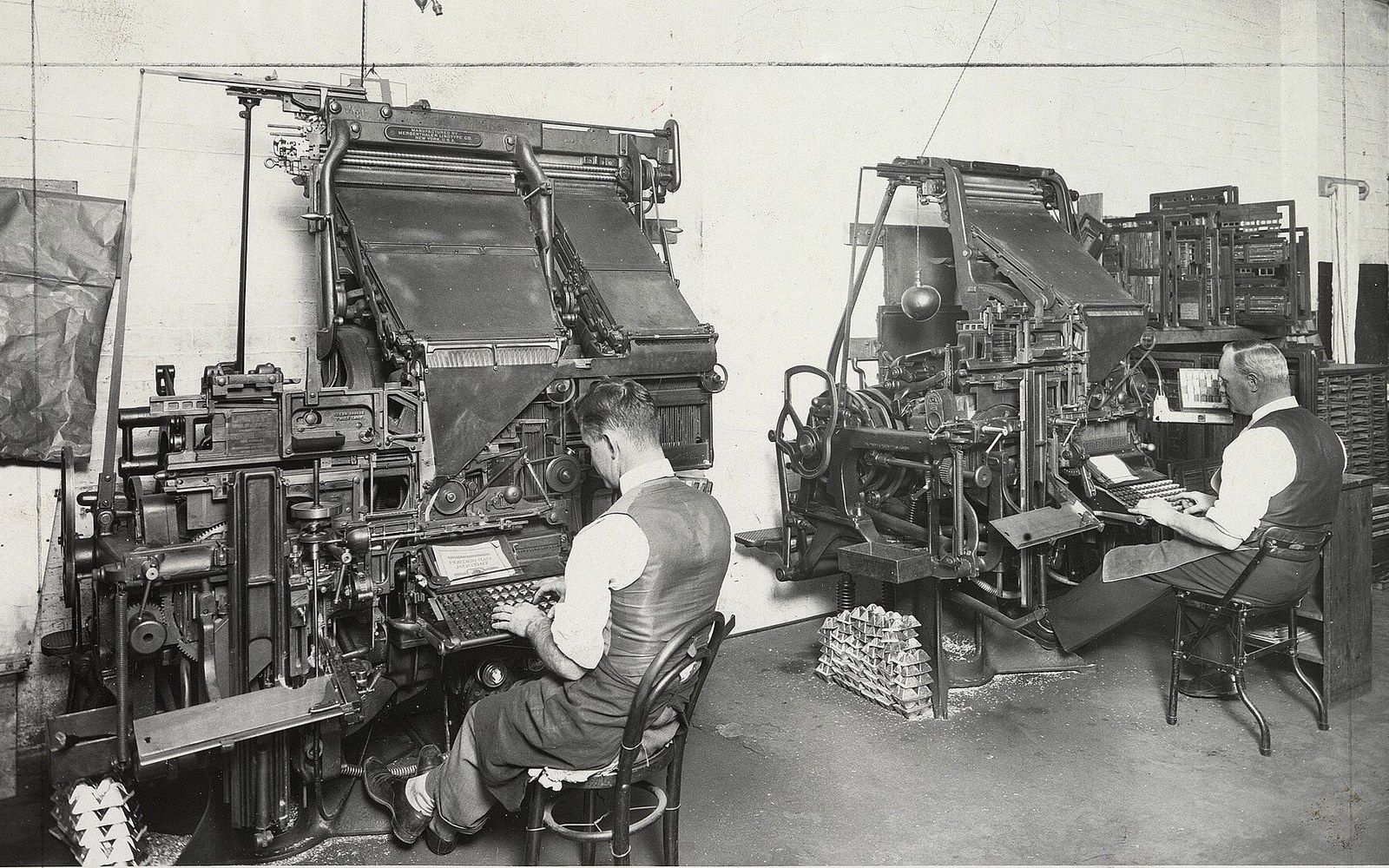
Linotype casts a line at a time and changes what a correction costs.
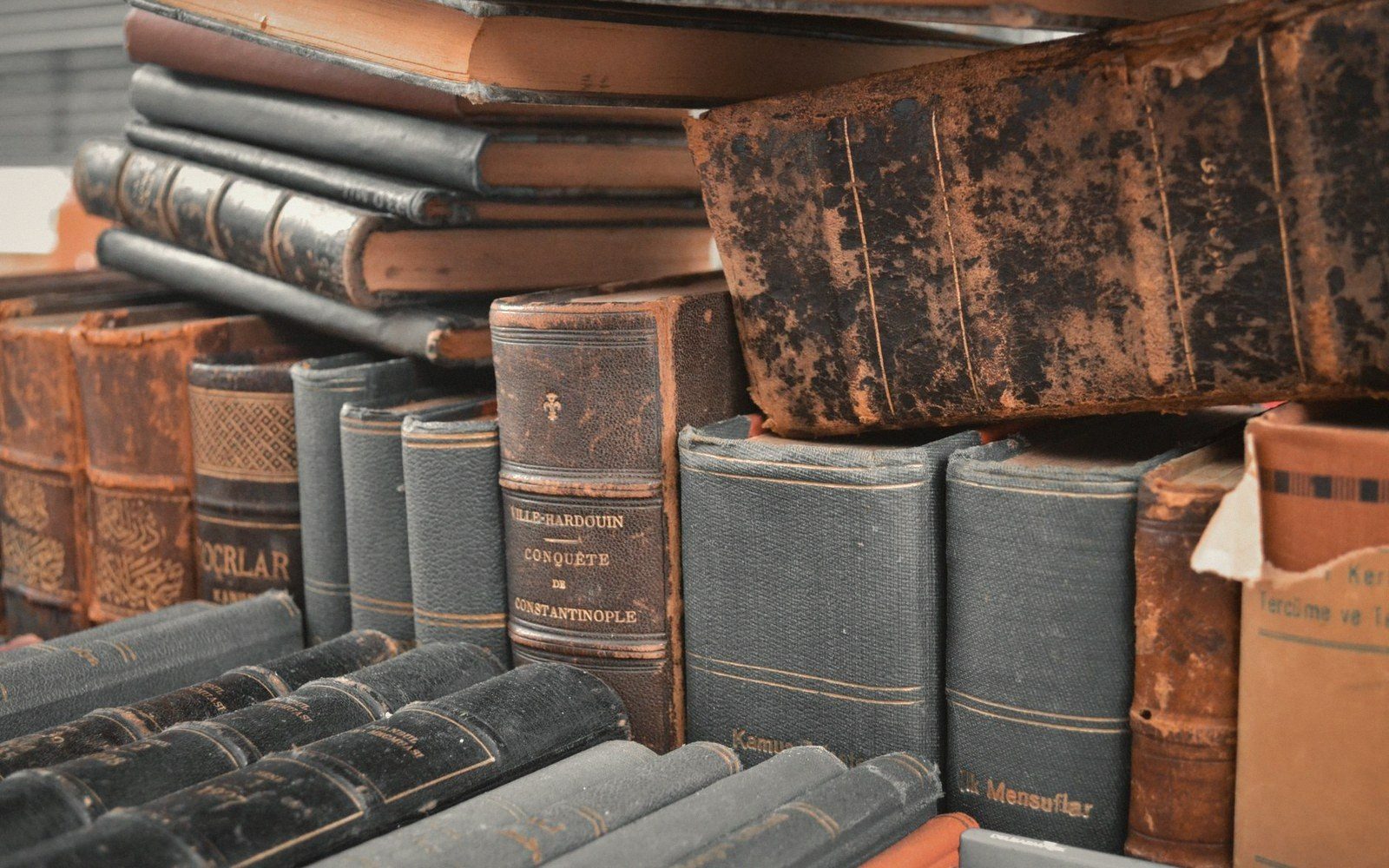
A distribution decision that became a literary form, and collapsed quickly once the libraries stopped buying.


